







職人茶還能多些作什麼?
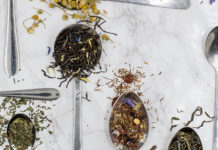
當個職人,先要有職人的精神。在吉祥草可以看到藝術家的堅持,茶師的堅持,以及對於一間老店經營者的堅持。吉祥草茶館,也是間餐館,是個提供經典中式泡茶體驗的場所,還販售著自家烘焙的茶葉,也有實在美味的家常菜。
 吉祥草茶館 Buddha Tea House 定期舉辦著公益義賣,目前館長是黃駿豪先生,是個原生藝術家。
這一間,座落於民生社區的老茶館,直至將近30年的北市隱匿秘境。眾多日本雜誌、旅行刊物都有這家的身影,所以國外觀光客絡繹不絕,木造的懷舊風格,院子植栽隱蔽,鋪滿石子地板,不仔細一瞧還不知道這是家茶藝館。
外陽台改築成的神秘空間,夜間相當幽靜涼爽,溫暖的燈光,輝映著創作者每一件作品。可以邊泡茶,邊欣賞,特別還有用刀板、占板的手工畫作相當奇特。
1991年開始在民生社區經營,走過茶藝館台灣風行的時代,上過20餘本國內外大小雜誌、書冊。
夜間門口有小小的立牌,不仔細看還以為是民家的住戶,原來裡頭別有洞天。

The most common sources of added sugars include soft drinks, cakes, pies, chocolate, fruit drinks and desserts. Just a single can of cola can contain up to 7 tsps of added sugar, while an average-sized chocolate bar can contain up to 6 tsps.
It is added sugars that have been cited as a contributor to many health problems. In December 2014, MNT reported on a study in the journal Open Heart claiming added sugars may increase the risk of high blood pressure, even more so than sodium. And in February 2014, a study led by the Centers for Disease Control and Prevention (CDC) associated high added sugar intake with increased risk of death from cardiovascular disease (CVD).
“Perhaps most strongly, added sugars have been associated with the significant increase in obesity”
In the US, more than a third of adults are obese, while the rate of childhood obesity has more than doubled in children and quadrupled in adolescents over the past 30 years.
A 2013 study published in The American Journal of Clinical Nutrition suggested that consumption of sugar-sweetened beverages increases weight gain in both children and adults, while a review paper from the World Health Organization (WHO) notes an increase in the consumption of such beverages correlates with the increase in obesity.
Are we becoming addicted to sugar?

In support of these associations is Dr. Robert Lustig, a pediatric endocrinologist at the University of California-San Francisco and author of the book Fat Chance: The Hidden Truth About Sugar, who claims sugar is a “toxic” substance that we are becoming addicted to.
A 2008 study by researchers from Princeton University, NJ, found rats used to consuming a high-sugar diet displayed signs of binging, craving and withdrawal when their sugar intake was reduced.
A woman tempted by chocolate
Dr. Lustig: “We need to wean ourselves off. We need to de-sweeten our lives. We need to make sugar a treat, not a diet staple.”We need to wean ourselves off. We need to de-sweeten our lives.”
“We need to make sugar a treat, not a diet staple”
Dr. Lustig told The Guardian in 2013. “The food industry has made it into a diet staple because they know when they do you buy more,” he added. “This is their hook. If some unscrupulous cereal manufacturer went out and laced your breakfast cereal with morphine to get you to buy more, what would you think of that? They do it with sugar instead.”
In her popular blog, Goop, Gwyneth Paltrow cites sugar addiction as one of the reasons she decided to quit sugar completely.
“The bottom line is that sugar works the addiction and reward pathways in the brain in much the same way as many illegal drugs,” she writes. “Sugar is basically a socially acceptable, legal, recreational drug with deadly consequences.”

Statistics show that we are certainly a nation of added-sugar lovers. According to a report from the CDC, adults in the US consumed around 13% of their total daily calorie intake from added sugars between 2005-2010, while 16% of children’s and adolescents’ total calorie intake came from added sugars between 2005-2008.
These levels are well above those currently recommended by WHO, which state we should consume no more than 10% of total daily calories from “free” sugars – both naturally occurring sugars and those that are added to products by the manufacturer.
In 2013, however, MNT reported on a study by Prof. Wayne Potts and colleagues from the University of Utah, claiming that even consuming added sugars at recommended levels may be harmful to health, after finding that such levels reduced lifespan in mice.
Is eliminating sugar from our diet THE healthy THING TO DO?

The array of studies reporting the negative implications of added sugar led to WHO making a proposal to revise their added sugar recommendations in 2014. The organization issued a draft guideline stating they would like to halve their recommended daily free sugar intake from 10% to 5%.
“The objective of this guideline is to provide recommendations on the consumption of free sugars to reduce the risk of noncommunicable diseases in adults and children,” WHO explained, “with a particular focus on the prevention and control of weight gain and dental caries.”
In addition, it seems many health experts, nutritionists and even celebrities like Gwyneth have jumped on a “no sugar” bandwagon.
But is it even possible to completely eliminate sugar from a diet? And is it safe? Biochemist Leah Fitzsimmons, of the University of Birmingham in the UK, told The Daily Mail:
“Cutting all sugar from your diet would be very difficult to achieve. Fruits, vegetables, dairy products and dairy replacements, eggs, alcohol and nuts all contain sugar, which would leave you with little other than meat and fats to eat – definitely not very healthy.”
Many people turn to artificial sweeteners as a sugar alternative, but according to studies, these sweeteners may still drive diabetes and obesity.
“Together with other major shifts that occurred in human nutrition, this increase in artificial sweetener consumption coincides with the dramatic increase in the obesity and diabetes epidemics,” the authors note. “Our findings suggest that artificial sweeteners may have directly contributed to enhancing the exact epidemic that they themselves were intended to fight.”
