
這篇文章可以讓你輕鬆了解,泡茶的樂趣,辦公室輕鬆的擁有茶包『好滋味』。
茶包的組成
茶包的型式從1950s,有了比較具體的樣貌,至今演變出幾種外型,常見片狀、三角立體兩種最為泛用。
簡單記憶重點
片狀:2g-3g 細碎,釋出快。
三角:2.5-4g 完整葉居多,需要釋放空間。
選擇片狀的比較便宜、體積小、好攜帶,
三角立體成本高、品質好、包裝體積大。

比較有人忽略的重點,是標籤、線、茶包的材質,這裡整理三件事…
規範1. 標籤紙盡量不要碰到水
規範2. 茶包撕的破不是品質差,反而食安比較安全,比較不會是塑化。
規範3. 擠壓茶包只會變濃、苦澀,不會變好喝,要濃建議增加茶包使用量。
(有一種說法,是可以拿茶包點火燃燒,看是否都能完整燃燒)
茶包沖泡大法
方法A 直沖放置型
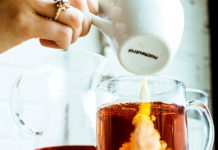
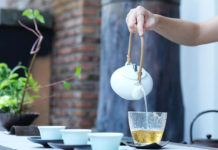
這種作法是最多人的泡法,方法相當容易,打開茶包將茶袋取出後,直接放在杯子、壺中,熱水直接高溫倒入,不時還會有拍打到茶包內的茶葉。
- 推薦茶包:適合烏龍茶、養生茶,不適合紅茶、果茶、花茶。
- 推薦溫度:不是沸騰情況的 95度 (攝氏80度以上)
- 推薦時間:1分鐘
- 推薦手法:不要動茶包佳,一次到位不回沖,有蓋子佳。
- 回沖與否:烏龍茶、漢方養生茶可以回沖,其他丟掉。
“Perhaps most strongly, added sugars have been associated with the significant increase in obesity”

方法B 拉動型
有時候西式影片、電影會出現的方法,這種方法不太適用於亞洲地區的水質。
- 推薦茶包:適合礦物質含量高,硬水的地區泡茶使用。
- 推薦溫度:100度 (攝氏80度以上)
- 推薦時間:30秒內,擾動次數約20次。
- 推薦手法:用手拿著標籤牽著線,在熱水的杯中前後、上下晃動茶包,讓茶包擾動快速釋出風味的作法。
- 回沖與否:不回沖,一次就丟,使用瓷杯最有感。
方法C (最推薦) 上投釋放型
從中式綠茶泡法延伸過來的作法,可以把甜、鮮爽、柔滑的口感展現到極致美的好辦法…
- 推薦茶包:紅茶、綠茶、花茶、果茶…大部分都適用
- 推薦溫度:100度 (攝氏80度以上)
- 推薦時間:3分鐘內,顏色漂亮即可出湯。
- 推薦手法:先倒熱水於杯中,直接將茶包放在水面上。
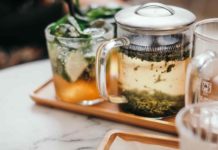
- 回沖與否:不回沖,一次就丟,使用玻璃杯佳。

Statistics show that we are certainly a nation of added-sugar lovers. According to a report from the CDC, adults in the US consumed around 13% of their total daily calorie intake from added sugars between 2005-2010, while 16% of children’s and adolescents’ total calorie intake came from added sugars between 2005-2008.
These levels are well above those currently recommended by WHO, which state we should consume no more than 10% of total daily calories from “free” sugars – both naturally occurring sugars and those that are added to products by the manufacturer.
In 2013, however, MNT reported on a study by Prof. Wayne Potts and colleagues from the University of Utah, claiming that even consuming added sugars at recommended levels may be harmful to health, after finding that such levels reduced lifespan in mice.
Is eliminating sugar from our diet THE healthy THING TO DO?
The array of studies reporting the negative implications of added sugar led to WHO making a proposal to revise their added sugar recommendations in 2014. The organization issued a draft guideline stating they would like to halve their recommended daily free sugar intake from 10% to 5%.
“The objective of this guideline is to provide recommendations on the consumption of free sugars to reduce the risk of noncommunicable diseases in adults and children,” WHO explained, “with a particular focus on the prevention and control of weight gain and dental caries.”
In addition, it seems many health experts, nutritionists and even celebrities like Gwyneth have jumped on a “no sugar” bandwagon.
But is it even possible to completely eliminate sugar from a diet? And is it safe? Biochemist Leah Fitzsimmons, of the University of Birmingham in the UK, told The Daily Mail:
“Cutting all sugar from your diet would be very difficult to achieve. Fruits, vegetables, dairy products and dairy replacements, eggs, alcohol and nuts all contain sugar, which would leave you with little other than meat and fats to eat – definitely not very healthy.”
Many people turn to artificial sweeteners as a sugar alternative, but according to studies, these sweeteners may still drive diabetes and obesity.
“Together with other major shifts that occurred in human nutrition, this increase in artificial sweetener consumption coincides with the dramatic increase in the obesity and diabetes epidemics,” the authors note. “Our findings suggest that artificial sweeteners may have directly contributed to enhancing the exact epidemic that they themselves were intended to fight.”